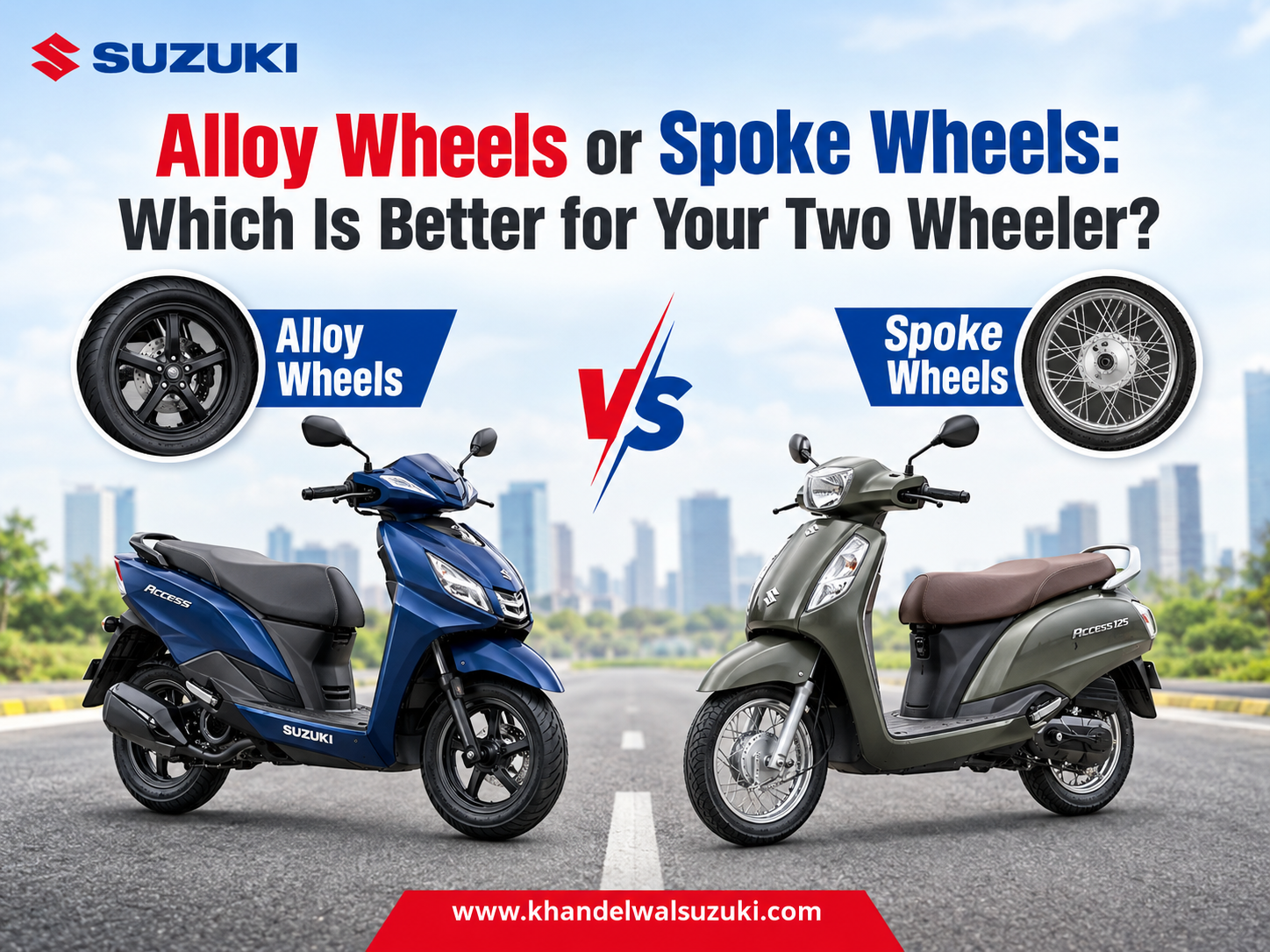
For most city riders, alloy wheels are the better choice. They are easy to clean, need fewer checks, and usually come with tubeless tyres. Spoke wheels make more sense for rough roads, gravel, and adventure riding, where a wheel that flexes slightly under impact can help. Neither type is better for everyone. At Khandelwal Suzuki, a trusted Suzuki bike showroom in Indore, we help riders match the wheel type to their roads. This guide explains the differences in simple words.
Alloy Wheels vs Spoke Wheels: Quick Answer
Use this short guide if you want a fast decision.
- Choose alloy wheels if you ride mostly in the city, want easy upkeep, and prefer tubeless tyres.
- Choose spoke wheels if you ride on rough or unpaved roads, or you want an adventure-style bike.
- Ask a dealer if your riding is a mix of both.
What Are Alloy Wheels?
Alloy wheels are usually cast from an aluminium alloy. The rim, spokes, and centre are formed as one single piece.
That one-piece build gives them a few clear benefits:
- A clean, solid look that is easy to wipe down
- No individual spokes to check or tighten
- Rim designs that commonly suit tubeless tyres
Many scooters and street bikes use them.
What Are Spoke Wheels?
Spoke wheels, also called wire-spoke wheels, have a separate rim and hub. They are joined by many thin, tensioned spokes.
This design allows a small amount of flex over bumps, which is why spoke wheels are common on trail and adventure bikes.
One note: a wheel with “spokes” is not always a wire-spoke wheel. Some cast alloy wheels simply have a spoke-style design.
Comparison Table: Alloy vs Spoke Wheels
| Factor | Alloy Wheels | Spoke Wheels |
| Build | One-piece cast design | Separate rim and hub joined by spokes |
| Tyre type | Commonly tubeless | Usually tube type |
| Cleaning | Easy | Takes more time |
| Maintenance checks | Fewer | Spoke tension and trueness checks |
| Impact handling | Stiff | Some controlled flex |
| Rough roads | Suitable on many bikes | Often preferred for trails |
| Repair after damage | May need professional assessment | Spokes can be adjusted or replaced |
Neither type is automatically lighter. Weight depends on the material, size, and design of the wheel.
Tubeless vs Tube: How Punctures Differ
A tubeless tyre usually loses air slowly when something pierces it. That gives you time to slow down and stop safely. Small punctures can often be plugged from outside without removing the wheel.
A tube-type tyre can deflate faster once the tube is punctured. Repair needs the wheel to come off.
Alloy rims are built to hold air for tubeless tyres. Traditional wire-spoke wheels use tubes. Some newer spoke designs support tubeless tyres, but a tubeless-marked tyre does not make a tube-type rim safe. Always follow your manufacturer’s specification.
Alloy Wheels vs Spoke Wheels for Bikes in Indore: Which Suits City Roads?
Daily city riding means traffic, speed breakers, patchy roads, and wet monsoon days. For this kind of use, alloy wheels fit well.
Most city riders prefer them for three reasons: tubeless tyres give confidence if you pick up a nail, cleaning takes minutes, and there are no spokes to loosen over time.
If your routes are mostly paved, you will rarely need the extra flex of spoke wheels.
Spoke Wheels for Bikes in Indore: When They Make Sense
Spoke wheels earn their place when roads turn rough. Riders who head out on gravel, trails, or broken highways often prefer them.
They work best when:
- You ride an adventure-style bike built for mixed surfaces
- You often leave the tarmac
- You are comfortable with routine spoke checks
Maintenance: Which Wheel Needs More Care?
Neither wheel is maintenance-free.
- Alloy wheels: Look for cracks, bends, or impact marks, and keep tyre pressure correct.
- Spoke wheels: Also check spoke tension, trueness (no wobble), and rim corrosion.
If you notice loose spokes or a wobble, visit a technician. A bad wheel affects braking and handling.
Want a professional wheel and tyre check? Visit our workshop and let our technicians inspect your bike.
How Suzuki Uses Alloy and Wire-Spoke Wheels
Suzuki does not pick a wheel in isolation. It treats the wheel as one part of the complete motorcycle, together with the tyres, suspension, and chassis. That is why the right wheel on one bike can be the wrong wheel on another.
Here is how that works across Suzuki’s range.
Suzuki Avenis: Alloy for Everyday City Riding
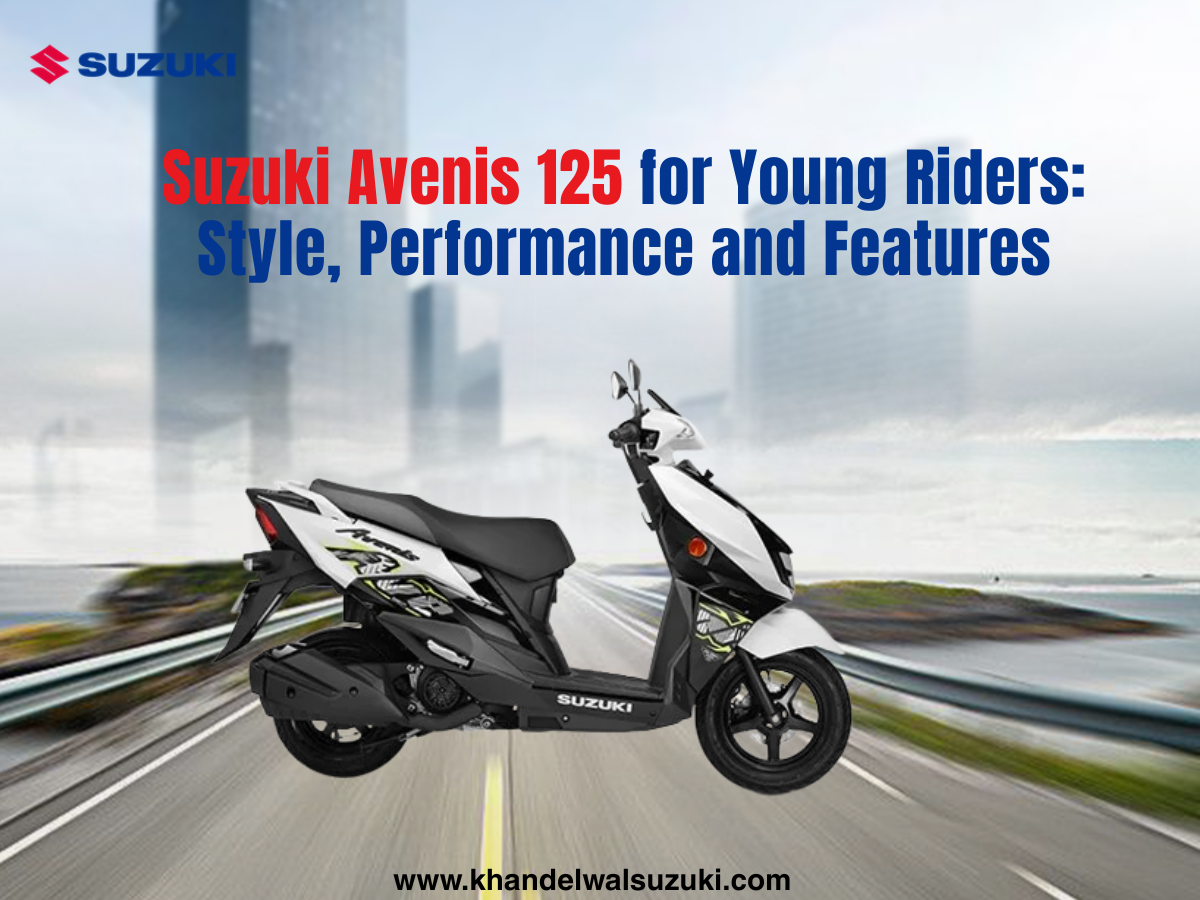
The Suzuki Avenis is a good urban scooter example. It runs sporty alloy wheels with tubeless tyres, which suit the daily stop-and-go of city traffic. It shows how alloy works well for practical, everyday mobility.
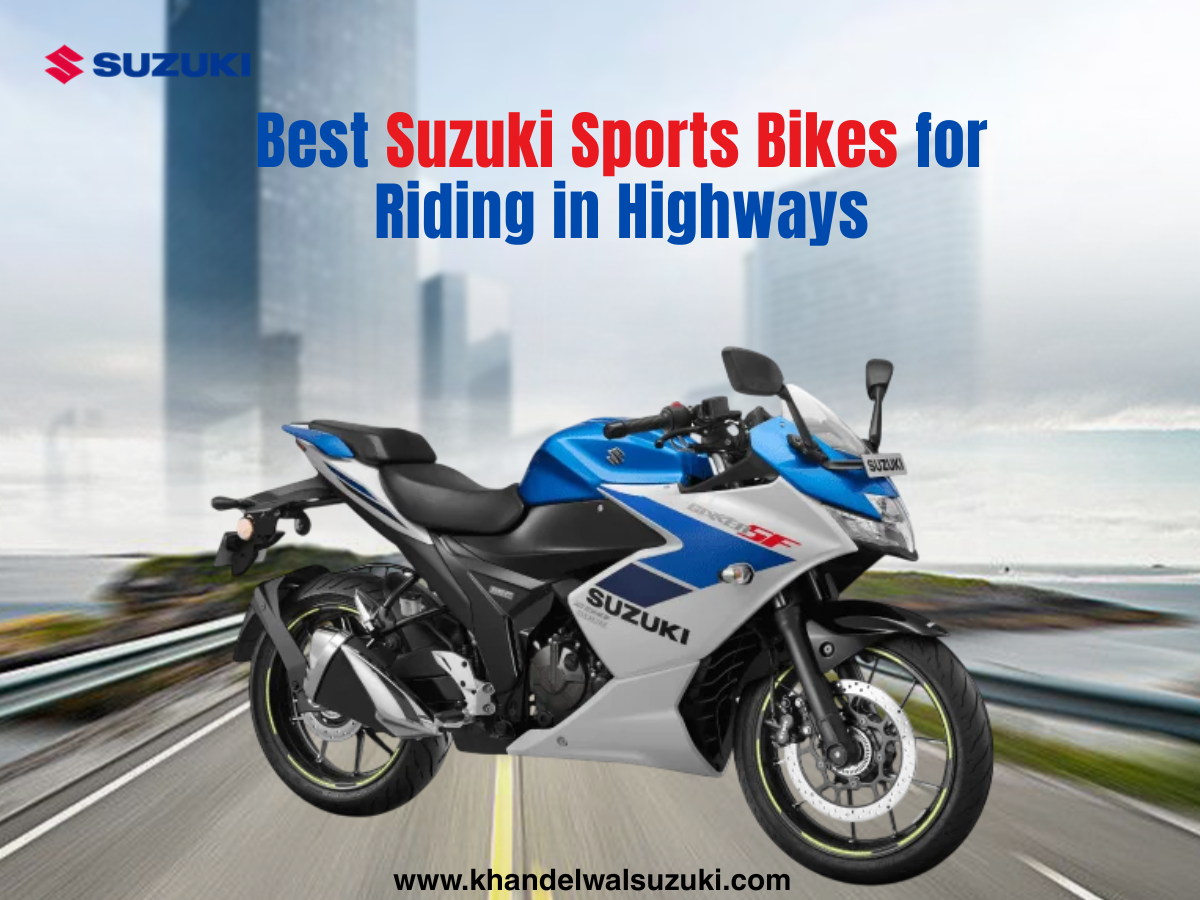
Suzuki Gixxer 250 and Gixxer SF 250: Cast Wheels for the Street
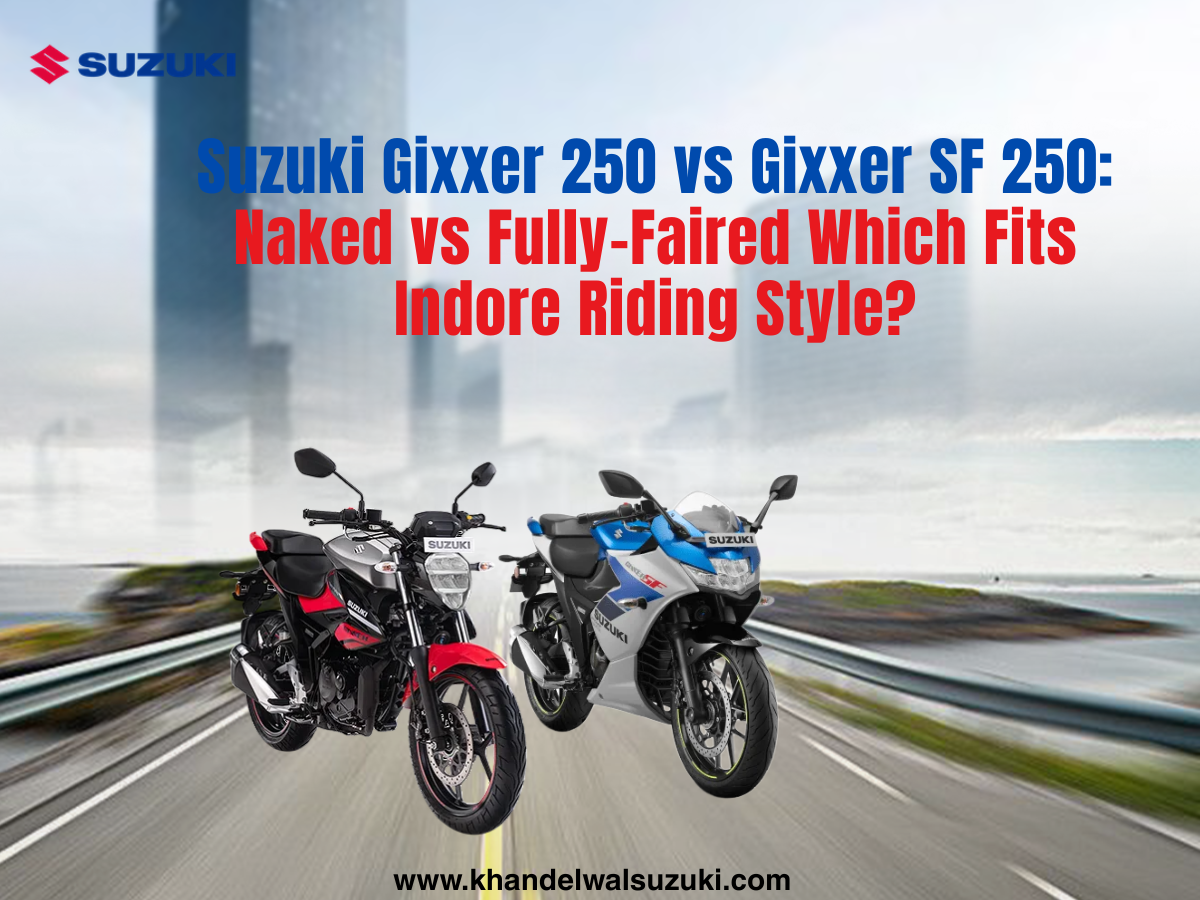
Both Suzuki Gixxer 250 and Gixxer SF 250 bikes use cast wheels, 17-inch at the front and rear, with road-focused radial tyres. This setup suits paved roads and sporty street riding.
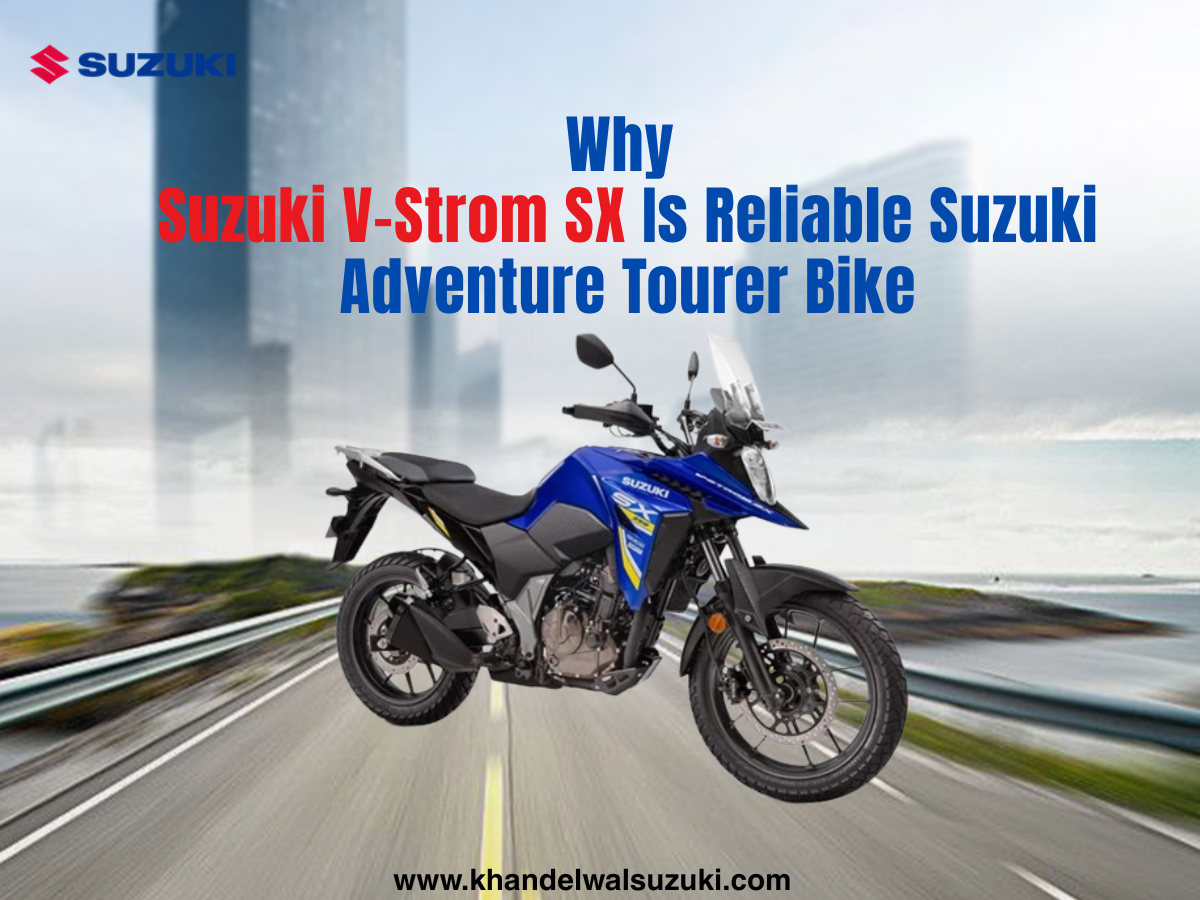
Suzuki V-Strom SX: Cast 10-Spoke Wheels for Mixed Roads
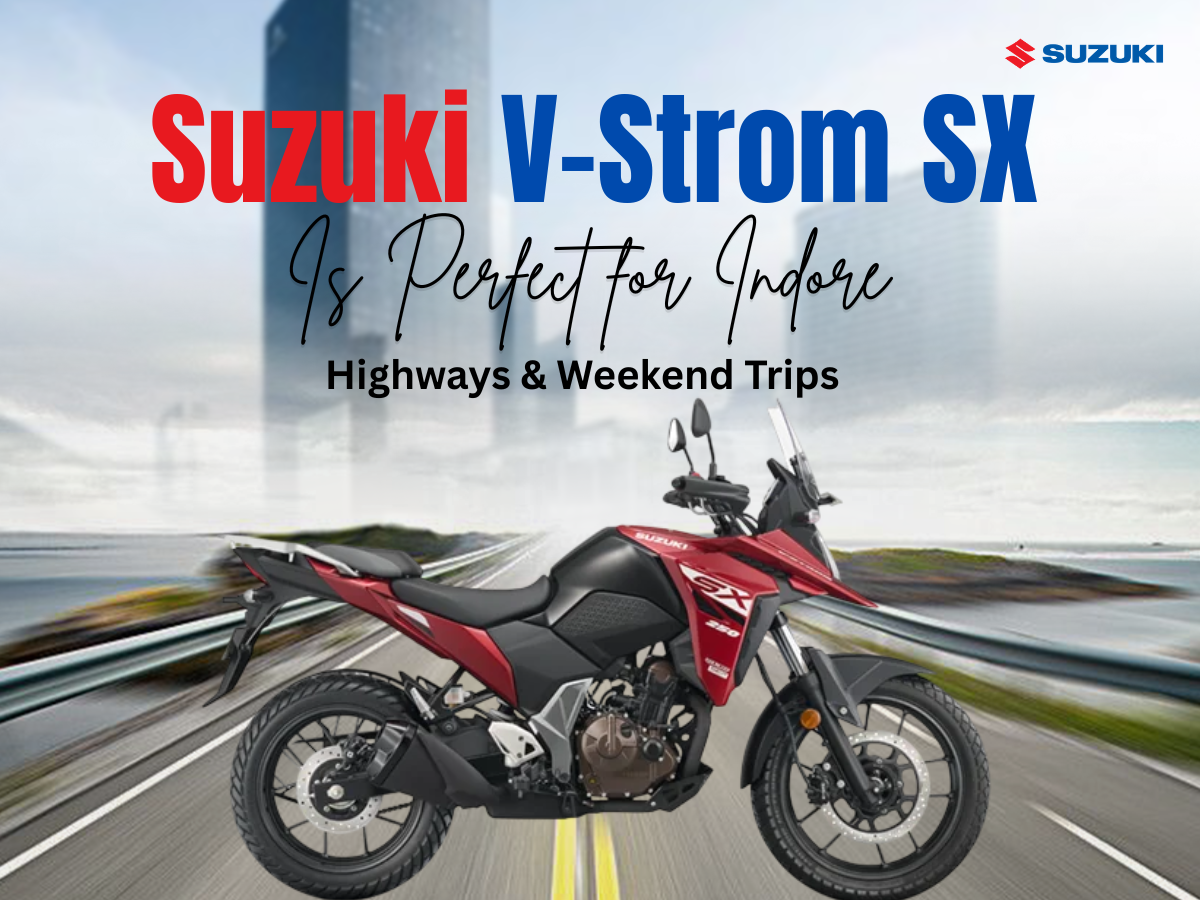
The Suzuki V-Strom SX pairs a 19-inch front wheel and a 17-inch rear wheel, both lightweight cast aluminium with a 10-spoke design. Semi-block-pattern tyres and the bike’s chassis are set up to handle both paved and unpaved roads. It proves that a cast alloy wheel can also suit light adventure use when the whole package is built for it.
Can You Change from Alloy to Spoke Wheels?
Not safely, in most cases. A wheel swap is not just a style change. It affects tyres, brakes, and handling.
If you plan any wheel change, use parts made for your exact model, match the tyre type to the rim type, and get the work done at an authorised service centre.
Our Suzuki service center in Indore can advise you on what is safe for your bike. If you are searching for a Suzuki service centre near me, a quick call to our workshop can save you from a costly mistake.
Original Tip: The 4-Question Wheel Test
Before you buy, answer these four questions.
- Where do I ride most? Paved city roads point to alloy. Rough roads point to spoke.
- Do I want tubeless tyres? If yes, alloy is the simpler route.
- Will I do regular checks? Spoke wheels need more attention.
- What did the maker design this bike for? Follow the factory setup.
If three answers point to the same wheel, that is your pick.
Best Two-Wheeler Wheels in Indore for Different Riders
| Rider Type | Better Wheel |
| Daily office commuter | Alloy |
| College student on a scooter | Alloy |
| Highway tourer on paved roads | Alloy or cast spoke-style |
| Gravel and trail rider | Spoke |
| Adventure rider with mixed routes | Depends on bike and tyres |
Bike Alloy Wheels in Indore: What to Check Before You Buy
At the showroom, look for a clean, even finish with no cracks or dents, tyres marked tubeless, the correct tyre size, and a smooth spin with no wobble. These checks take two minutes.
Two-Wheeler Buying Guide in Indore: Wheel Checklist
Use this list on your showroom visit:
Compare two models back to back with a test ride
Ask which wheel and tyre type the bike uses, and whether the tyres are tubeless
Check tyre brand, size, and tread
Ask about tyre replacement and wheel service support
Why Visit Khandelwal Suzuki, Indore
Choosing the right bike is easier when you can see and ride it. At Khandelwal Suzuki, you get:
- Test rides across Suzuki scooters and motorcycles
- Honest advice based on your routes and riding style
- Genuine parts and trained technicians
- Support from our workshop after you buy
If you are searching for a bike showroom in Indore, a bike showroom near me, or a Suzuki showroom Indore near me, our team is ready to help. You can compare the full range of Suzuki motorcycles and every Suzuki two wheeler model in one visit.
Not sure which wheel suits your bike? Compare models and wheel types in one showroom visit.
FAQs about Alloy Wheels or Spoke Wheels
1. Which is better for city riding, alloy or spoke wheels?
Alloy wheels are usually better for city riding. They commonly come with tubeless tyres, are easy to clean, and need fewer checks.
2. Are alloy wheels lighter than spoke wheels?
Not always. Weight depends on the material, size, and design, so neither type is automatically lighter.
3. Do spoke wheels need tubes?
Traditional wire-spoke wheels usually need tubes. Some newer spoke designs support tubeless tyres, so follow your manufacturer’s specification.
4. Can I change my bike’s alloy wheels to spoke wheels?
It is not recommended unless the parts are made for your model. A wheel change affects tyres, brakes, and handling, so use an authorised service centre.
5. Where can I get my bike’s wheels and tyres checked in Indore?
You can visit Khandelwal Suzuki, an authorized Suzuki dealer and service center in Indore. Call or WhatsApp us to book a slot.
Conclusion
The alloy wheels vs spoke wheels debate has no single winner. Alloy wheels suit most city riders with their tubeless tyres and easy upkeep. Spoke wheels suit rough roads and adventure riding. The right choice depends on your bike, your tyres, and your roads.
Visit Khandelwal Suzuki, your Suzuki Indore showroom, and see both wheel types on real bikes before you decide.
Ready to find your next bike? Our team will guide you on models, wheels, and availability.
Suzuki Motorcycle (Khandelwal Suzuki, Indore, Vaishali Nagar)
Suzuki Motorcycle (Khandelwal Suzuki, Indore, Airport Road Workshop)