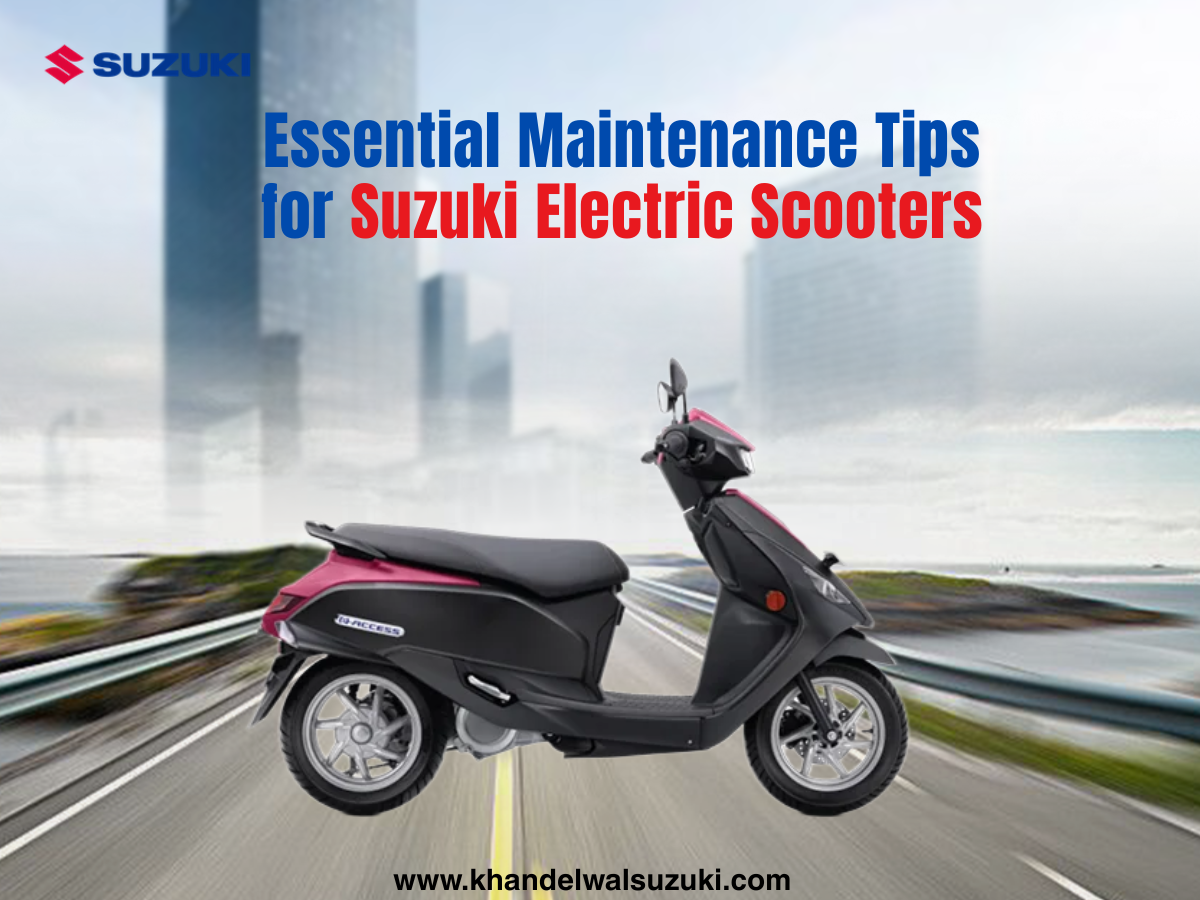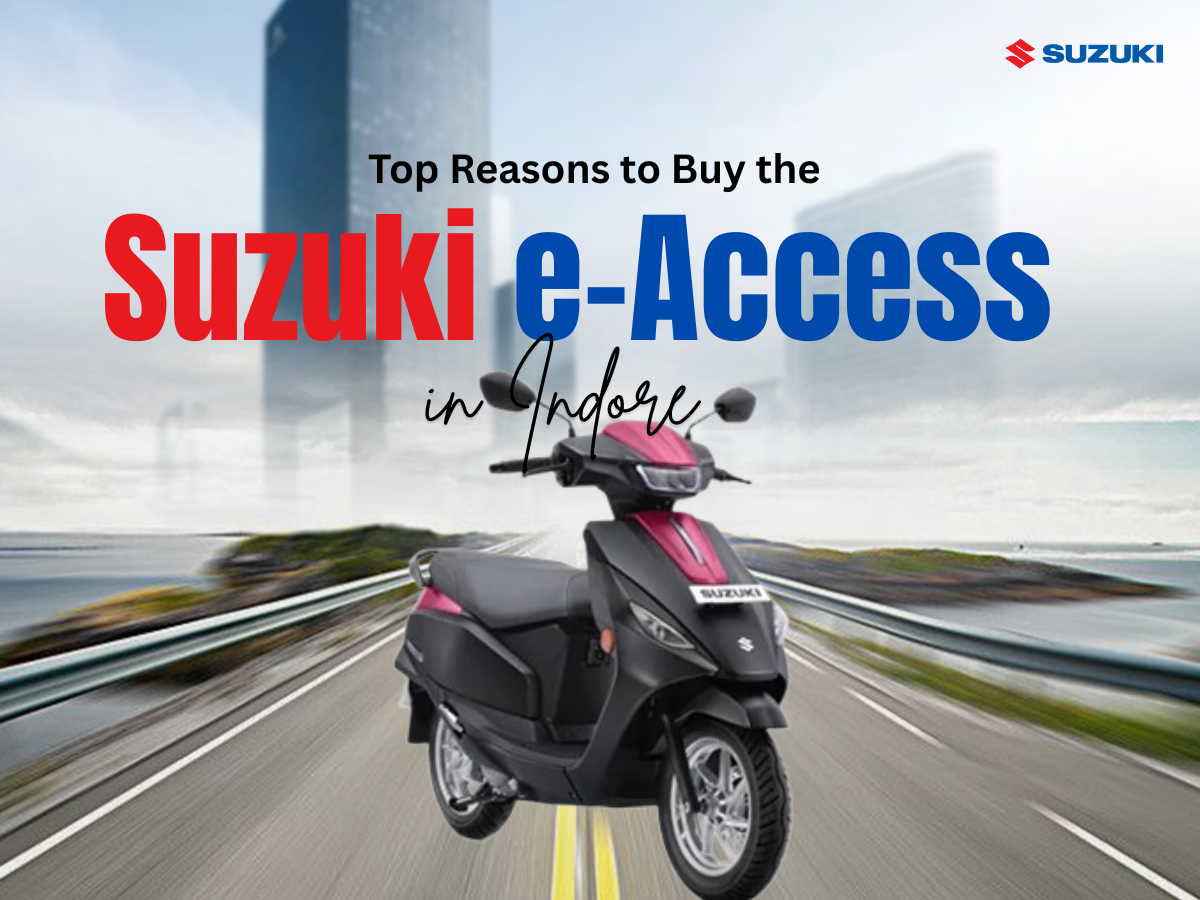
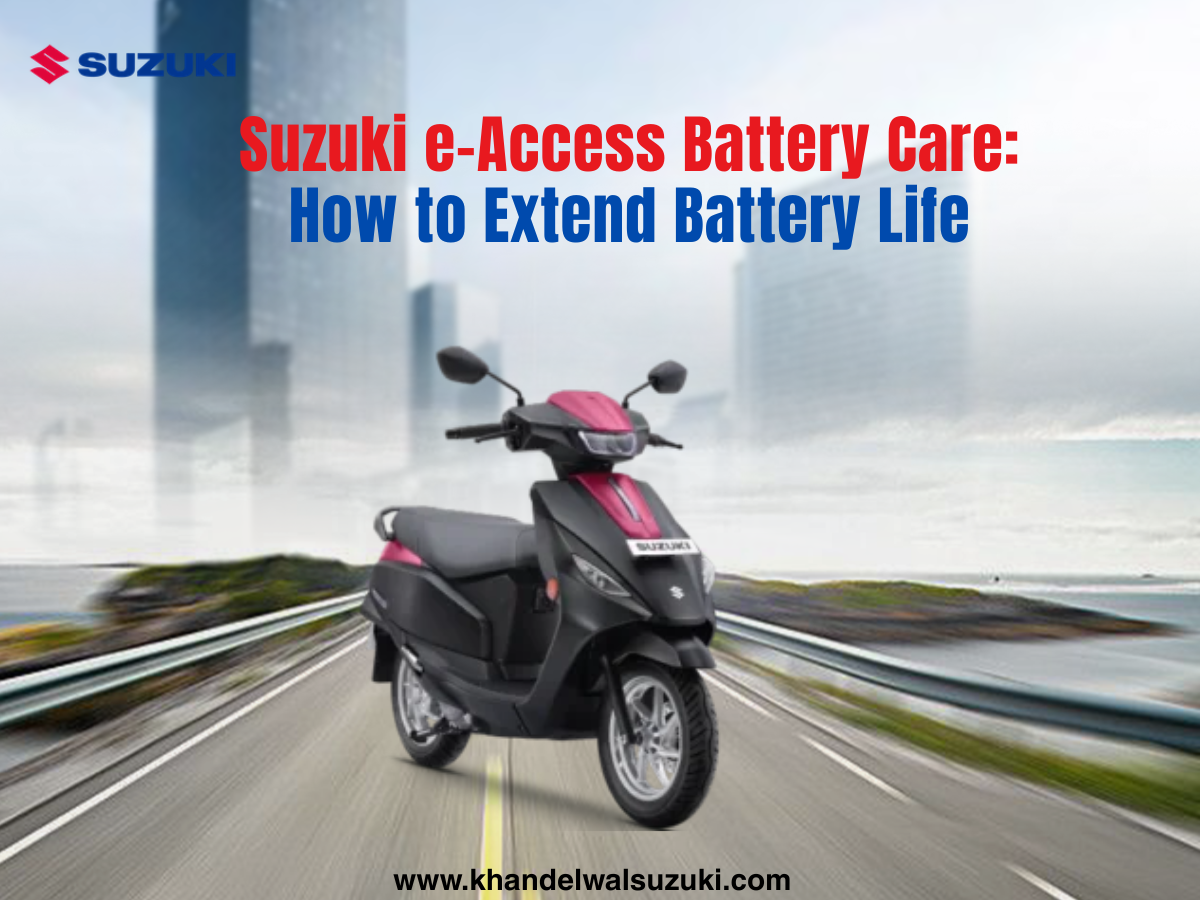
The best way to extend your Suzuki e-Access battery life is simple: charge it regularly rather than letting it run near empty, avoid leaving it plugged in for long periods after it’s full, and always use the charger Suzuki provides. The e-Access uses a 3.072 kWh Lithium Iron Phosphate (LFP) battery, a chemistry known for long cycle life but good daily habits still make a real difference to how well it holds up over the years.
Understanding Your Suzuki e-Access Battery
The e-Access runs on a fixed 3.072 kWh LFP battery pack, housed in an aluminium case built into the scooter’s frame for added protection. Suzuki says LFP batteries last significantly longer than the NMC (Nickel Manganese Cobalt) cells used in many rival electric scooters, largely due to better thermal stability and a longer cycle life. The scooter comes with a 7-year/80,000 km extended warranty on the battery and motor as part of its introductory offer.
Even with this durable battery chemistry, how you charge and store the scooter day to day still affects long-term battery health which is where these habits come in.
1. Charge Regularly
LFP batteries do best with frequent, moderate charging rather than being run all the way down before topping up. Try to plug in your e-Access after most rides, rather than waiting until the charge drops very low.
- Charging little and often puts less strain on the battery than occasional deep charges.
- You don’t need to wait for the battery to hit 0% before charging.
- A consistent charging routine also means you’re less likely to get caught out with low range mid-commute.
2. Avoid Frequent Deep Discharge
Letting the battery repeatedly drop close to 0% before recharging accelerates wear over time. While the e-Access is engineered to perform consistently even at low charge levels, habitually running it near empty isn’t ideal for long-term battery health.
- Try to recharge once the battery drops to around 20–30%, rather than waiting for a near-empty warning.
- On longer rides, plan charging stops in advance rather than pushing the range to its limit.
3. Avoid Unnecessary Prolonged Plug-In Time
Leaving the scooter connected to the charger well after it reaches 100% overnight or for extended periods isn’t necessary and can add unwanted stress to the battery over time.
- Unplug once charging is complete rather than leaving it connected for hours afterward.
- If you charge overnight, a timer plug can help avoid excessive prolonged plug-in time.
4. Use the Charger Provided or Recommended by the Manufacturer
The e-Access ships with a portable AC charger designed specifically for its battery system, and it also supports Suzuki’s DC fast-charging network for quicker top-ups. Sticking to Suzuki-approved charging equipment matters:
- Third-party or uncertified chargers may not manage voltage and current correctly, which can affect battery health and safety.
- The standard charger takes roughly 6 to 6.5 hours for a full charge, while DC fast charging can bring the battery up in a little over 2 hours.
- If you need a replacement charger, source it through an authorised Suzuki dealer rather than a generic third-party product.
The Impact of Temperature on Battery Life
Extreme heat and cold both affect how well any lithium battery performs and ages, and the e-Access is no exception even with its more thermally stable LFP chemistry.
| Condition | Impact on Battery |
| Prolonged direct sun / high heat | Speeds up long-term capacity degradation |
| Charging immediately after a hot ride | Can add extra thermal stress; let the battery cool slightly first |
| Very cold conditions | Temporarily reduces available range and charging efficiency |
| Moderate, shaded temperatures | Ideal for both charging and storage |
Where possible, park and charge your e-Access somewhere shaded and well-ventilated rather than in direct sun for hours at a stretch, especially during Indore’s peak summer months.
1. Smart Parking Habits
Where and how you park your e-Access between rides also plays a role in protecting the battery over time.
- Park in shaded or covered areas whenever possible, especially during summer afternoons.
- Avoid parking directly under direct sunlight for extended periods, which raises the battery’s internal temperature.
- If you’re not riding for several days, avoid leaving the battery at a very low charge level during that downtime.
2. Charge in Suitable Conditions
Where and when you charge matters just as much as how often.
- Charge in a cool, dry, well-ventilated space rather than an enclosed, poorly ventilated area.
- Avoid charging immediately after a long, hot ride give the battery a short cool-down period first.
- Use a stable power connection, and avoid charging during extreme weather conditions where possible.
Suzuki e-Access Battery Service in Indore
If you notice reduced range, slower charging, or any battery-related warning on your e-Access, it’s best to get it checked at an authorised service centre rather than troubleshooting it yourself. For Suzuki e-Access battery maintenance in Indore, Khandelwal Suzuki operates dedicated workshops at:
| Suzuki e-Access Service Centre in Indore | Type |
| Khandelwal Suzuki, Vaishali Nagar | Workshop |
| Khandelwal Suzuki, Airport Road | Workshop |
For sales, test rides, and general enquiries, Khandelwal Suzuki also runs showrooms at MG Road, Vaishali Nagar, and Kalani Nagar. If you’re searching for Suzuki e-Access maintenance tips in Indore beyond daily charging habits such as software updates, battery health checks, or warranty-related queries these workshops are your point of contact as the authorised Suzuki e-Access dealer in Indore.
FAQs
How can I extend the life of my Suzuki e-Access battery?
Charge regularly rather than letting it run to near empty, avoid leaving it plugged in long after it’s full, use only the manufacturer-provided charger, and avoid prolonged exposure to extreme heat.
Does hot weather in Indore affect the e-Access battery?
Yes. Prolonged exposure to direct sun and high heat can speed up long-term battery degradation. Parking in shade and letting the battery cool before charging helps reduce this impact.
Is it safe to fast-charge the Suzuki e-Access regularly?
Suzuki’s DC fast-charging network is designed for the e-Access and is generally safe to use, but relying on standard AC charging for most day-to-day top-ups is gentler on the battery over the long term.
Can I use a third-party charger for my e-Access?
It’s best to stick to the charger provided by Suzuki or one sourced through an authorised dealer, since third-party chargers may not manage charging correctly for this battery system.
Where can I get Suzuki e-Access battery service in Indore?
Khandelwal Suzuki operates authorised workshops at Vaishali Nagar and Airport Road in Indore for e-Access servicing and battery-related checks.
Conclusion
The Suzuki e-Access’s LFP battery is built for a long service life, but daily habits regular charging, avoiding deep discharges, unplugging once full, and managing temperature exposure go a long way in protecting that lifespan. If you ever notice a drop in range or performance, don’t wait it out; get it checked at an authorised service centre.
Have a question about your e-Access battery, or due for a check-up? Visit your nearest Khandelwal Suzuki workshop in Indore, or book a service appointment online before your next long ride.
MG Road Branch – 9/1/2, Mahatma Gandhi Road, South Tukoganj, Indore – 452001
Annapurna Road Branch – 7-A, Annapurna Road, Opposite Dutt Mandir, Vaishali Nagar, Indore – 45200
Airport Road Branch – 113, Manpasand Colony, Airport Road, Kalani Nagar, Indore – 452006